AVIF to TIFF converter
Convert AVIF files to TIFF format. Free, private, unlimited. Works in your browser.
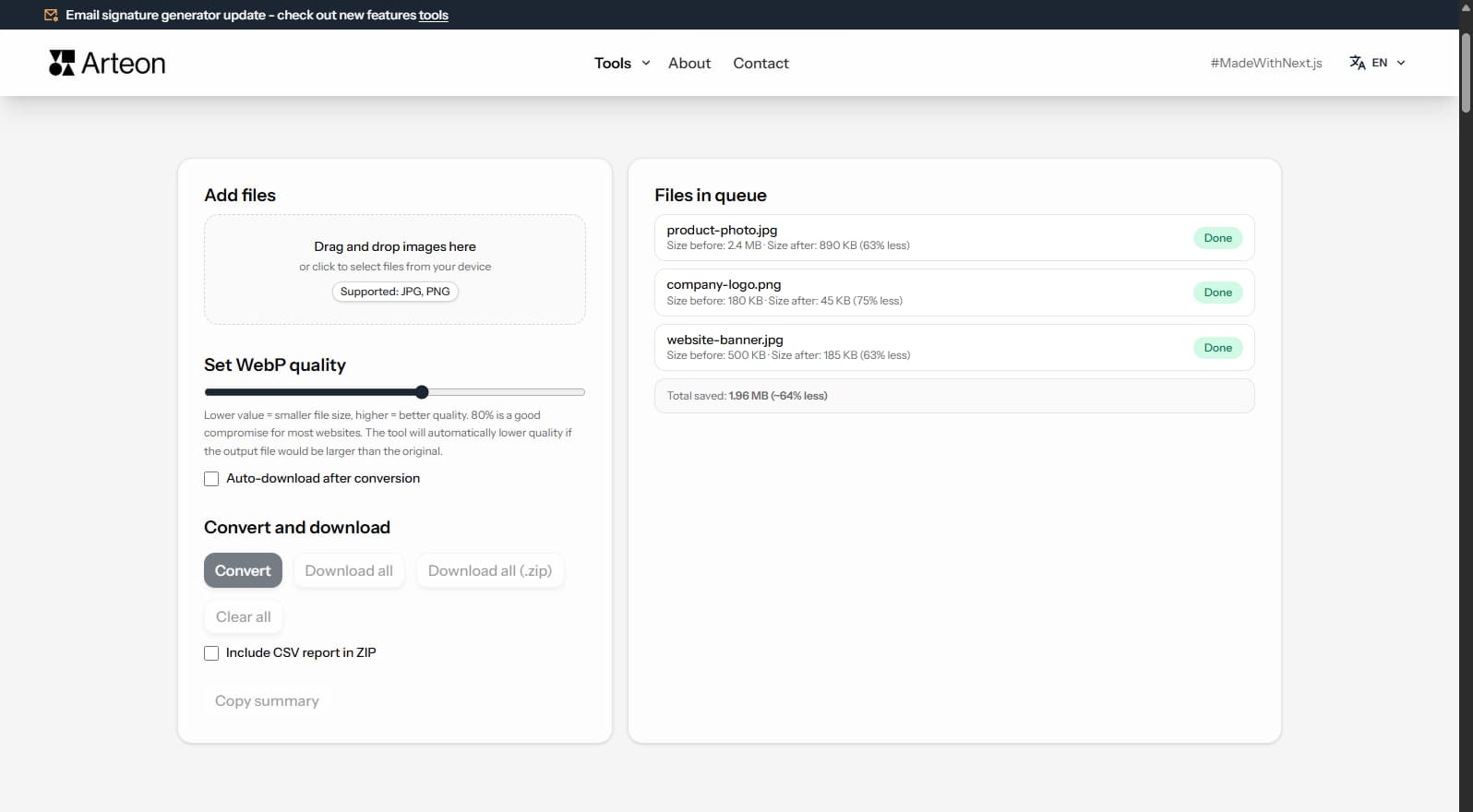
Files in queue
Why convert AVIF to TIFF?
AVIF offers excellent compression for web images, but most professional print software, desktop publishing tools (InDesign, QuarkXPress), and medical imaging systems do not support it. TIFF is the industry standard for print production, archival storage, and workflows requiring lossless quality with CMYK support.
TIFF supports lossless LZW compression, 16/32-bit color depth, CMYK color space, multiple layers, and embedded ICC profiles. Transparency from AVIF is preserved. TIFF files will be significantly larger than AVIF — this is expected, as TIFF prioritizes quality and compatibility over file size.
Converting AVIF to TIFF is essential when preparing web images for offset printing, submitting files to stock photo agencies, or archiving images in a universally supported lossless format.
This converter processes files locally in your browser — nothing is sent to any server. No registration, no limits, no watermarks.
How to convert AVIF to TIFF
Upload your AVIF file
Drag and drop your AVIF file onto the converter or click to browse.Convert
Click Convert - files are processed locally in your browser.Download your TIFF
Download the converted TIFF file with a single click, or use bulk download to save all files as a ZIP archive.
What makes this converter different?
Complete privacy
Your files are processed entirely in your browser using modern APIs. Nothing is uploaded to any server — the conversion works even offline after the page loads.No limits
Convert as many files as you need with no daily limits, no file size restrictions, and no watermarks. All output files are clean and ready for professional use.Quality control
TIFF output preserves full quality from the AVIF source. The format supports lossless LZW compression, so your images maintain every detail for print production.Instant conversion
All processing happens locally using modern browser APIs. Results are ready in seconds — no waiting for server-side processing or queue positions.
AVIF vs TIFF – format comparison
| Feature | AVIF | TIFF |
|---|---|---|
| Lossy compression | ✓ | — |
| Lossless compression | ✓ | ✓ |
| Transparency (alpha channel) | ✓ | ✓ |
| Animation support | ✓ | — |
| Web browser support | Chrome 85+, Firefox 93+, Edge 85+, Safari 16.4+ | Safari only |
| Color depth | 8/10/12-bit, HDR | 8/16/32-bit |
| Compact file size | ✓ | — |
| Metadata (EXIF) | ✓ | ✓ |
Tips for converting AVIF to TIFF
A few tips to help you avoid common issues during conversion:
Very large files
Converting images above 4000×4000 pixels may be slower and strain the browser. If processing many large files, consider splitting them into batches of 10–20.Already compressed files
If the original AVIF file was already heavily compressed, converting to TIFF may not yield significant size savings. Try different quality settings.Transparency
The TIFF format supports alpha channel (transparency). If the original AVIF file contains transparent areas, they will be preserved.Keep your originals
Lossy conversion is irreversible. Keep copies of original AVIF files so you can re-convert with different settings if needed.
How much can you save by converting AVIF to TIFF?
Savings depend on the source file type and its original compression. Below are example results:
Camera photo
2.4 MB → 890 KB
Product image
500 KB → 185 KB
Screenshot / banner
350 KB → 230 KB
Actual savings may vary depending on image content and quality settings. The converter shows the exact size before and after conversion for each file.
What to expect when converting AVIF to TIFF?
AVIF uses lossy compression while TIFF is a lossless format. The conversion preserves the pixel data from the decoded AVIF exactly as-is in the TIFF output. No additional quality loss occurs during conversion.
TIFF files will be significantly larger than the AVIF originals — this is expected. A 200 KB AVIF file may become 15–25 MB in TIFF because TIFF stores every pixel without compression (or with lossless LZW compression).
For the best results, use high-quality AVIF source files. If the original AVIF was heavily compressed, the quality limitations will carry over to the TIFF output. TIFF cannot recover detail that was lost during AVIF compression.
When should you keep AVIF instead of converting to TIFF?
TIFF is designed for print and archival workflows. If your images are intended for web delivery, social media, or digital-only use, AVIF is the better choice — files are dramatically smaller and load faster in browsers.
Convert to TIFF only when the target system specifically requires it: offset printing, desktop publishing (InDesign, QuarkXPress), medical imaging software, or professional photo archival systems. For general editing, PNG is a lighter lossless alternative.
If you need to share images digitally while maintaining quality, consider WebP or PNG as intermediate formats. TIFF should be reserved for professional print workflows where its CMYK support and ICC profiles are needed.
Convert other files to TIFF
Convert AVIF to other formats
Frequently asked questions about AVIF to TIFF conversion
Is converting AVIF to TIFF free?
Yes, this converter is completely free with no limits. No registration, no watermarks.
Does the converter upload my files?
No. All processing happens locally in your browser. Your files never leave your device.
Can I convert multiple files at once?
Yes, the converter supports batch conversion. Add multiple files and convert them all simultaneously.
Does the converter work on mobile?
Yes, the converter works on any device with a modern web browser, including smartphones and tablets.
Is converting AVIF to TIFF safe for my files?
Yes. All conversion happens locally in your browser using the Canvas API. Files are never sent to any external server. When you close the page, data is automatically cleared.
Does converting AVIF to TIFF change the image resolution?
No. The conversion preserves the original pixel dimensions. A TIFF file will have the exact same width and height as the original AVIF — only the file format changes, not the image content.
Is TIFF supported by all browsers?
The TIFF format is widely supported by modern browsers: Chrome, Firefox, Safari, Edge, and Opera.
Help us improve our tools
Have an idea, found a bug, or want to suggest a feature? Drop us a message – we respond within 24 hours.
Explore other useful tools
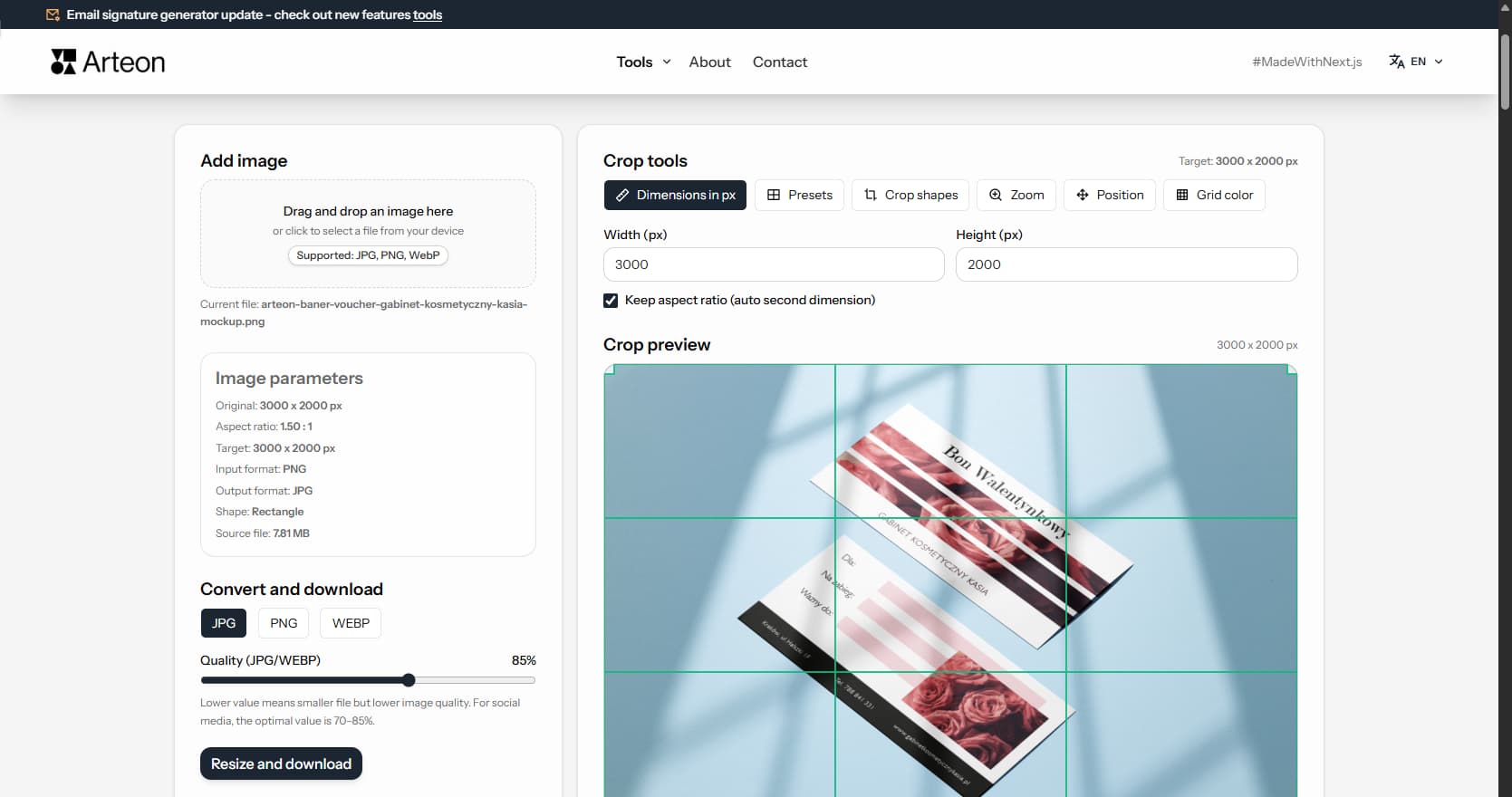
Online image editor
Resize, crop and convert your image. Ready-made formats for social media, circular avatars, export to JPG/PNG/WebP.
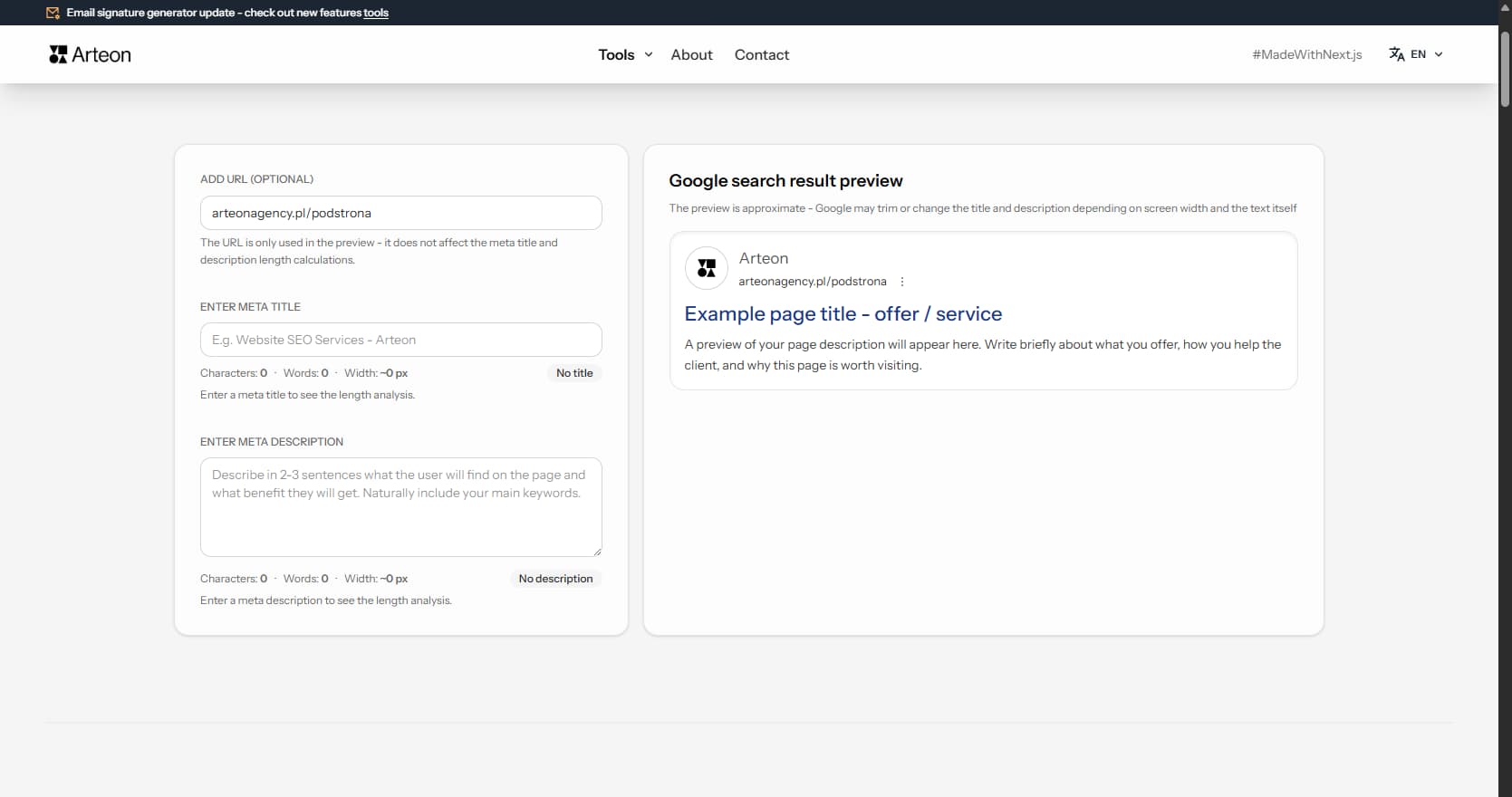
Meta title & description checker
Check title and description length in pixels. Live Google preview and optimization tips.
PNG to JPG
Convert PNG files to JPG in your browser. No file limits, no signup, no server uploads.
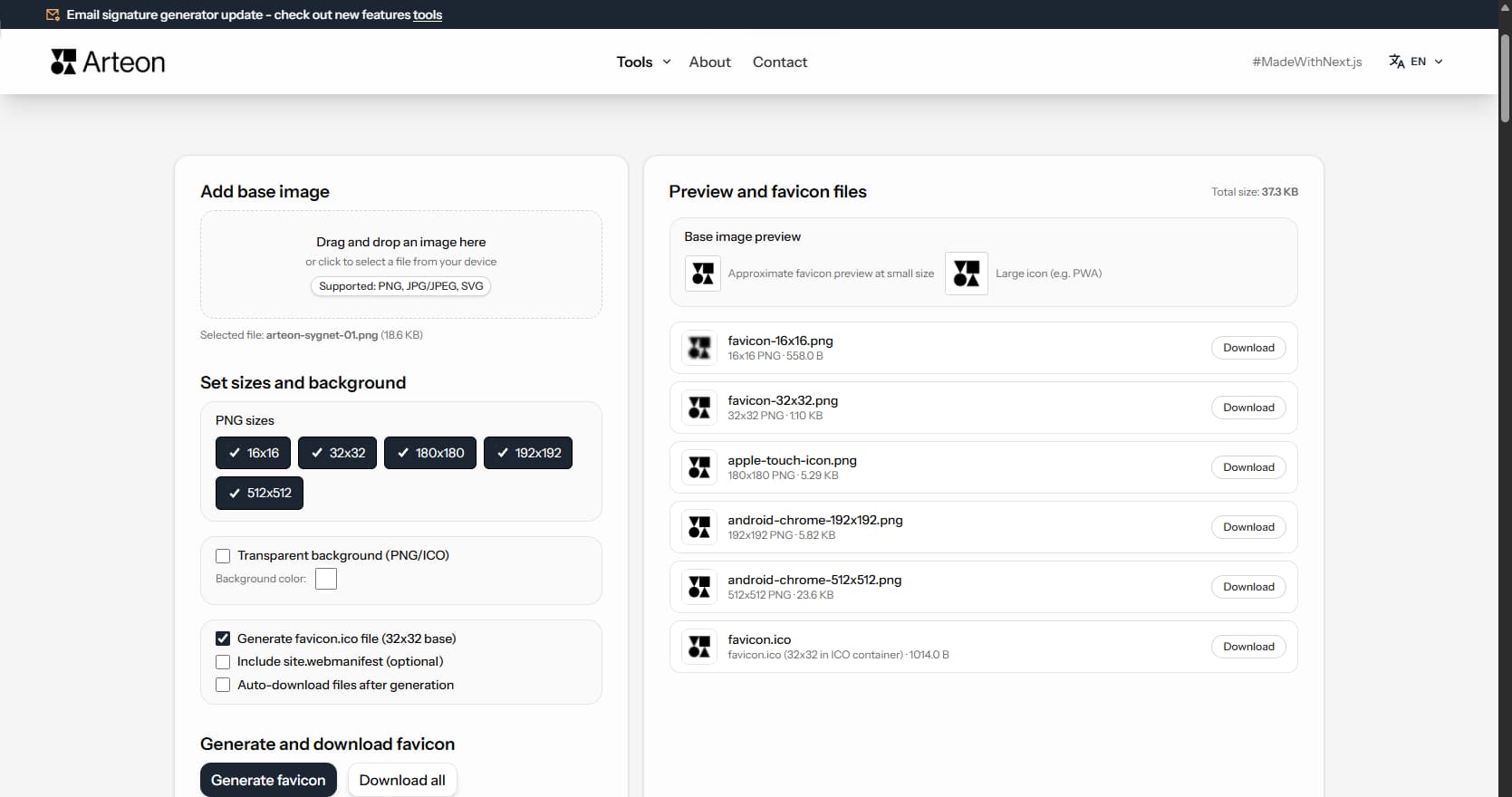
Favicon generator
Create a complete favicon.ico set for your website from one image. All required sizes, no login.
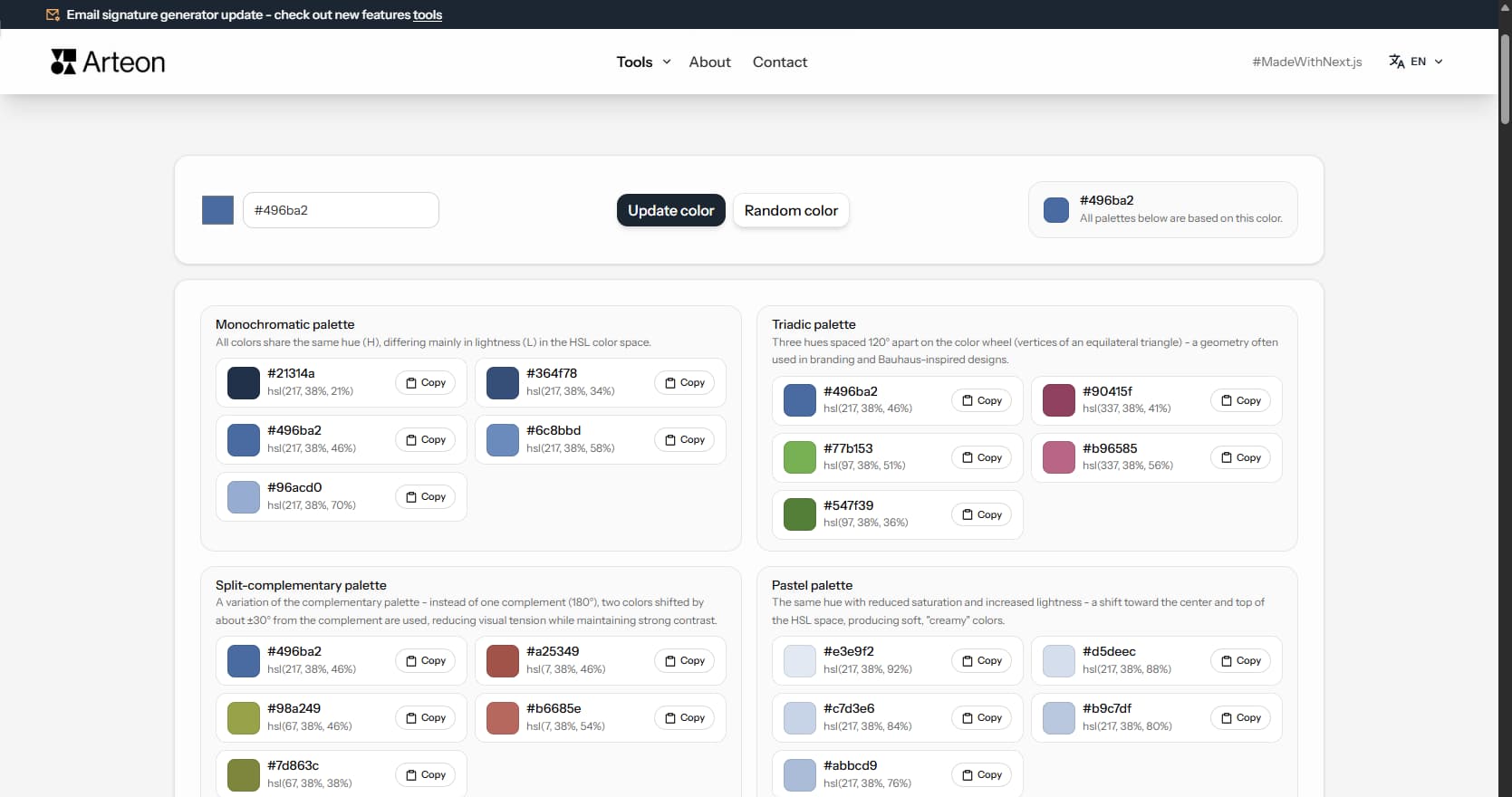
Color palette generator
Generate 9 palettes from one color: monochromatic, complementary, triadic and more. HEX codes.
WebP to JPG
Convert WebP files to universally compatible JPG. Works in every app and platform.
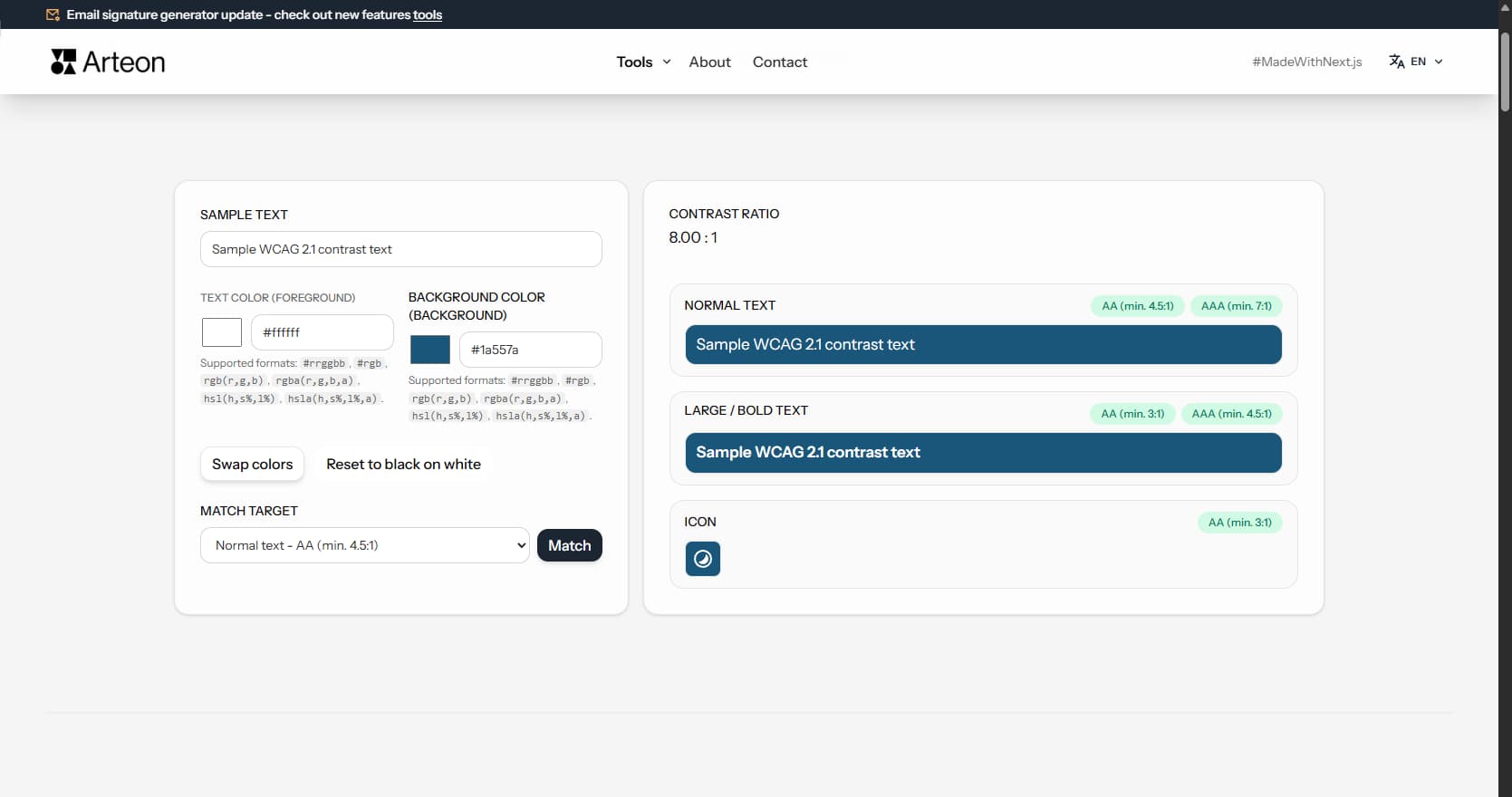
Color contrast checker
Check text and background contrast per WCAG 2.1 AA and AAA. Automatic color correction.
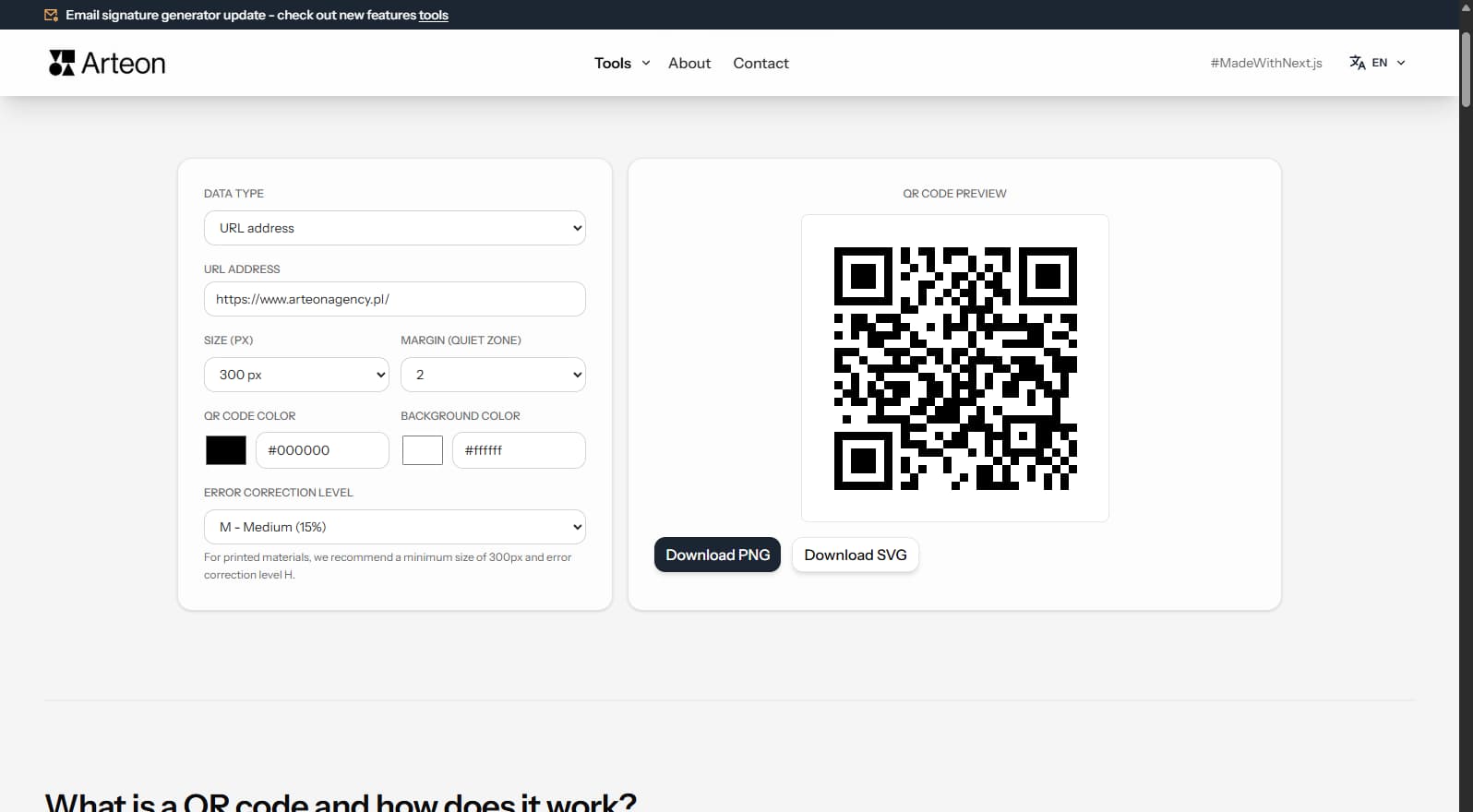
Free QR code generator
Create a QR code for a website, vCard business card or print. Export PNG and SVG, no registration.
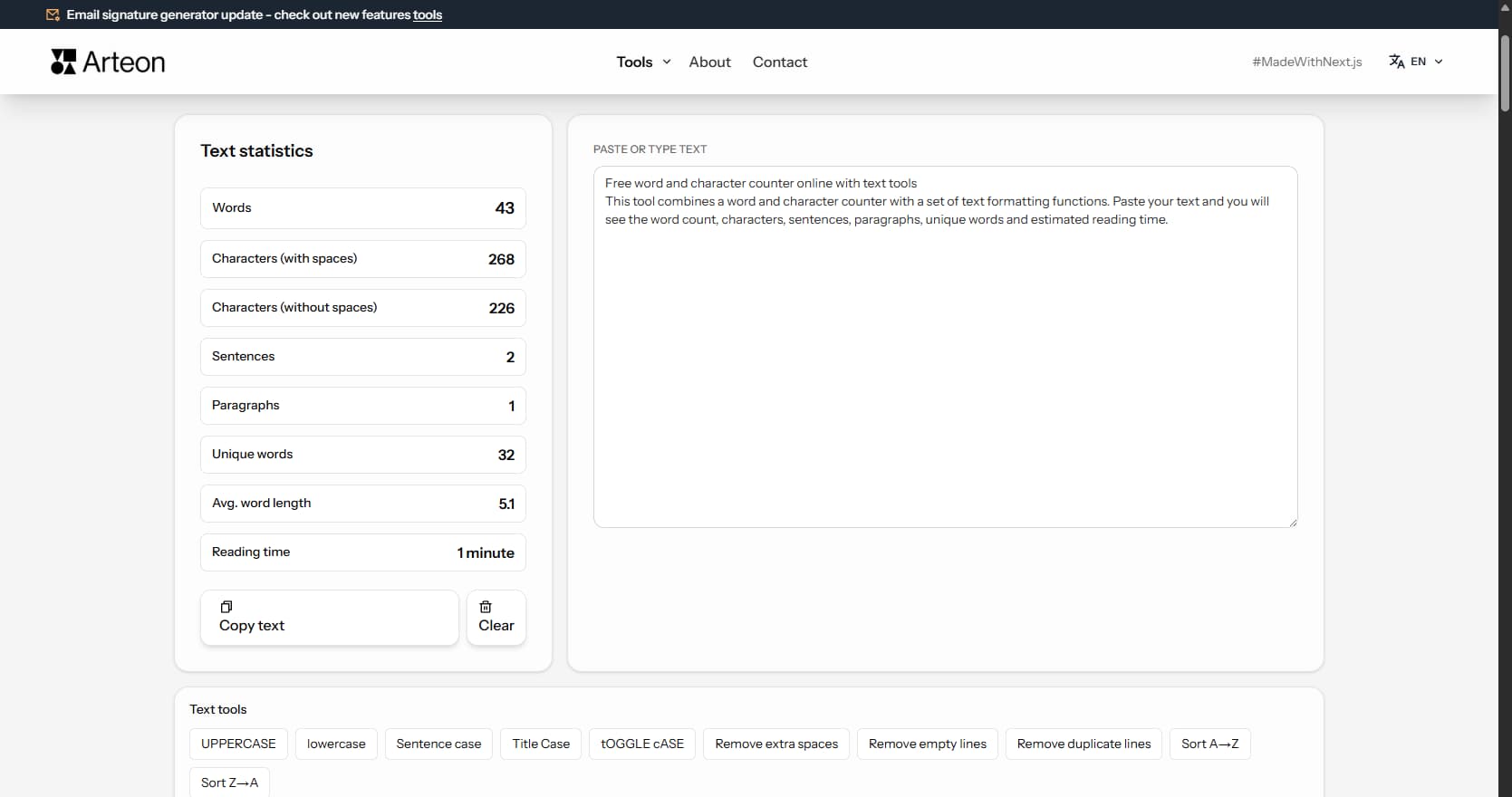
Word & character counter
Count words, characters, sentences and reading time. Check readability with the Flesch-Kincaid score.