Convert millilitres to litres
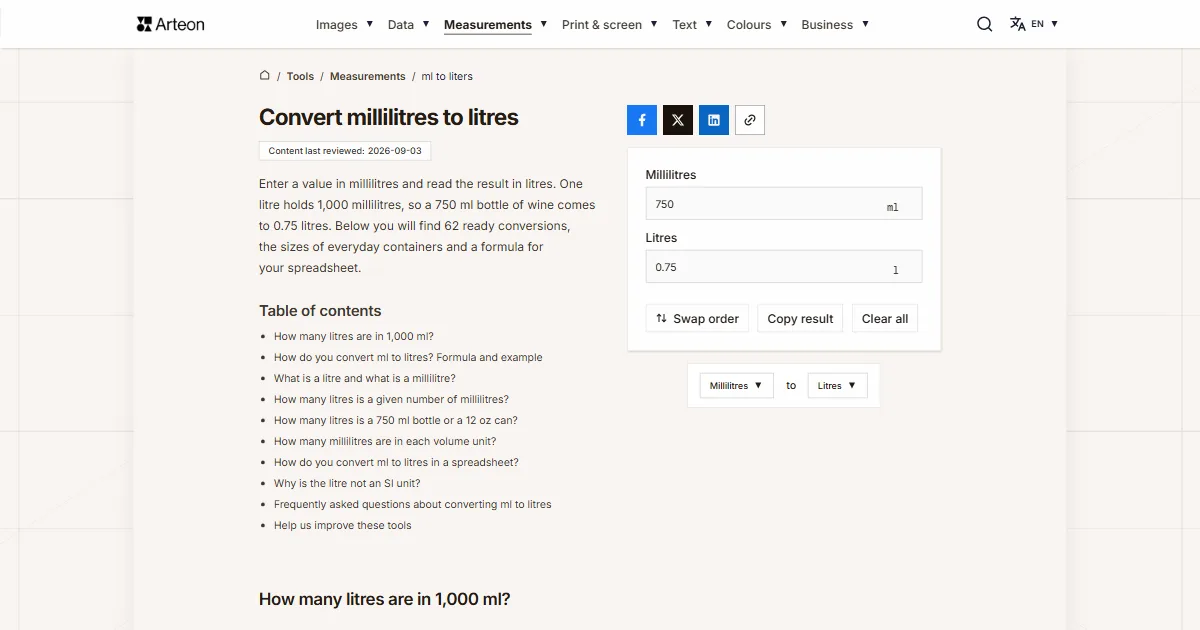
Enter a value in millilitres and read the result in litres. One litre holds 1,000 millilitres, so a 750 ml bottle of wine comes to 0.75 litres. Below you will find 62 ready conversions, the sizes of everyday containers and a formula for your spreadsheet.
How many litres are in 1,000 ml?
One thousand millilitres make exactly one litre. Five hundred millilitres give you half a litre. Two hundred and fifty millilitres give you a quarter of a litre.
The figure of a thousand comes from the name of the unit. The prefix milli- means one thousandth, so a millilitre is a thousandth of a litre, in the same way that a millimetre is a thousandth of a metre and a milligram a thousandth of a gram.
How do you convert ml to litres? Formula and example
Divide the number of millilitres by a thousand and you have the answer in litres.
The formula: litres = millilitres ÷ 1000. The other way round: millilitres = litres × 1000.
Three figures come out of this sum more often than any others. A water bottle of 500 millilitres is half a litre. A drinks can holds 330 millilitres, which is 0.33 litres. A standard bottle of wine holds 750 millilitres and works out at 0.75 litres.
On paper the whole conversion is a matter of moving the decimal point three places to the left. Two thousand five hundred millilitres become 2.5 litres, and 60 millilitres come to 0.06 litres. Fill any gaps left by the shift with zeros.
If your figure is already written in litres, the litres to millilitres converter does the same sum the other way.
What is a litre and what is a millilitre?
A litre is a unit of volume equal to one cubic decimetre, which is a cube ten centimetres along each side. That definition was restored in 1964 by the General Conference on Weights and Measures[1].
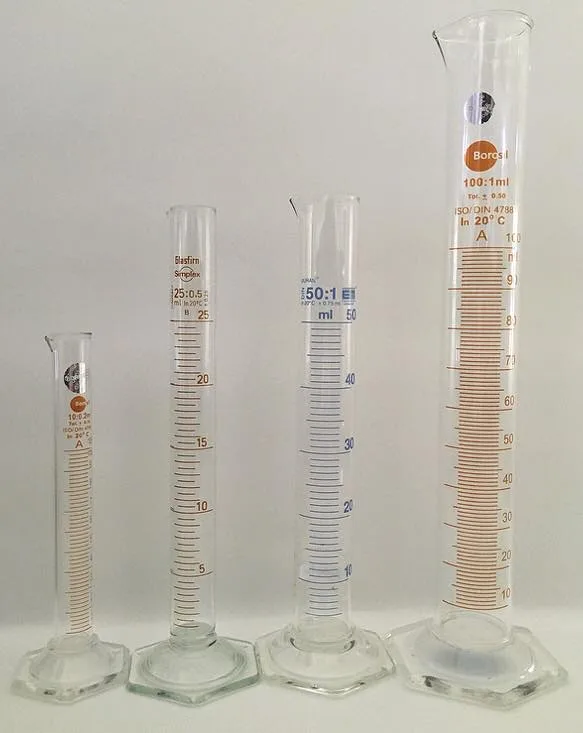
A millilitre is one thousandth of a litre and matches one cubic centimetre exactly. The same volume is written as cm³ or as cc, which is why both appear on a syringe and on an engine plate[1].
How many litres is a given number of millilitres?
| Millilitres | Litres |
|---|---|
| 0.5 ml | 0.0005 l |
| 1 ml | 0.001 l |
| 2.5 ml | 0.0025 l |
| 5 ml | 0.005 l |
| 10 ml | 0.01 l |
| 15 ml | 0.015 l |
| 20 ml | 0.02 l |
| 25 ml | 0.025 l |
| 30 ml | 0.03 l |
| 40 ml | 0.04 l |
| 50 ml | 0.05 l |
| 60 ml | 0.06 l |
| 75 ml | 0.075 l |
| 80 ml | 0.08 l |
| 100 ml | 0.1 l |
| 120 ml | 0.12 l |
| 125 ml | 0.125 l |
| 150 ml | 0.15 l |
| 175 ml | 0.175 l |
| 187.5 ml | 0.1875 l |
| 200 ml | 0.2 l |
| 250 ml | 0.25 l |
| 300 ml | 0.3 l |
| 330 ml | 0.33 l |
| 350 ml | 0.35 l |
| 375 ml | 0.375 l |
| 400 ml | 0.4 l |
| 450 ml | 0.45 l |
| 473 ml | 0.473 l |
| 500 ml | 0.5 l |
| 550 ml | 0.55 l |
| 600 ml | 0.6 l |
| 650 ml | 0.65 l |
| 700 ml | 0.7 l |
| 750 ml | 0.75 l |
| 800 ml | 0.8 l |
| 850 ml | 0.85 l |
| 900 ml | 0.9 l |
| 946 ml | 0.946 l |
| 1,000 ml | 1 l |
| 1,200 ml | 1.2 l |
| 1,250 ml | 1.25 l |
| 1,400 ml | 1.4 l |
| 1,500 ml | 1.5 l |
| 1,600 ml | 1.6 l |
| 1,750 ml | 1.75 l |
| 1,800 ml | 1.8 l |
| 2,000 ml | 2 l |
| 2,250 ml | 2.25 l |
| 2,500 ml | 2.5 l |
| 3,000 ml | 3 l |
| 3,500 ml | 3.5 l |
| 4,000 ml | 4 l |
| 4,500 ml | 4.5 l |
| 5,000 ml | 5 l |
| 6,000 ml | 6 l |
| 7,000 ml | 7 l |
| 9,000 ml | 9 l |
| 10,000 ml | 10 l |
| 12,000 ml | 12 l |
| 20,000 ml | 20 l |
| 50,000 ml | 50 l |
The four highlighted rows are the sizes you meet most often: a 250 ml cup, a 500 ml water bottle, a 750 ml bottle of wine and a one-litre carton.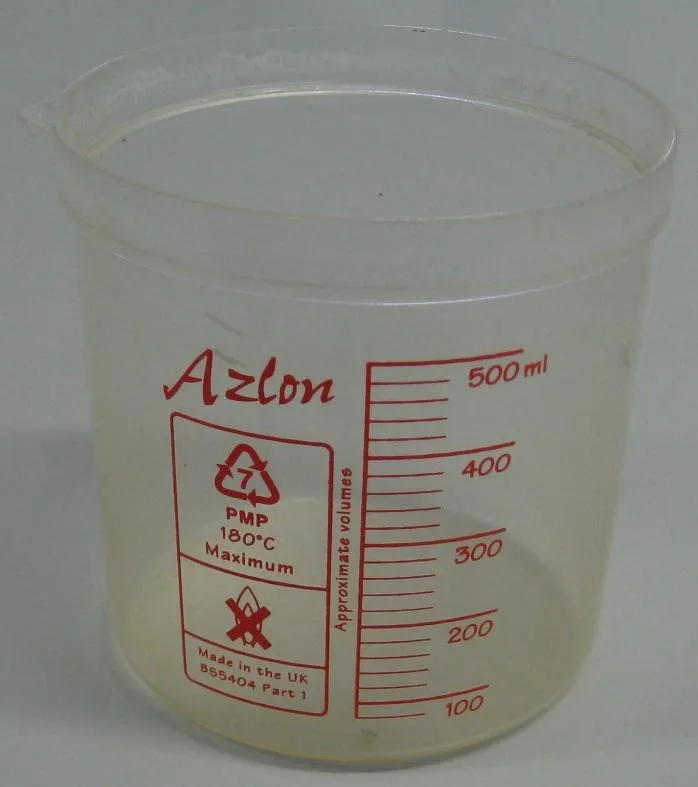
How many litres is a 750 ml bottle or a 12 oz can?
| Container | Litres | Number per litre | Where you meet it |
|---|---|---|---|
| 118 ml | 0.118 l | 8.47 | Half-cup measure, 4 US fluid ounces |
| 237 ml | 0.237 l | 4.22 | One US cup, 8 fluid ounces |
| 330 ml | 0.33 l | 3.03 | European drinks can |
| 355 ml | 0.355 l | 2.82 | US drinks can, 12 fluid ounces |
| 375 ml | 0.375 l | 2.67 | Half bottle of wine |
| 473 ml | 0.473 l | 2.11 | US pint, 16 fluid ounces |
| 568 ml | 0.568 l | 1.76 | Imperial pint served in a British pub |
| 591 ml | 0.591 l | 1.69 | US large cup, 20 fluid ounces |
| 750 ml | 0.75 l | 1.33 | Standard bottle of wine and of spirits |
| 946 ml | 0.946 l | 1.06 | US quart, 32 fluid ounces |
| 1,000 ml | 1 l | 1 | One litre carton |
A 750 ml bottle of wine is 0.75 litres, so two of them come to 1.5 litres. Filling a full litre takes one bottle and a third of a second one. The United States moved its wine and spirit bottles to 750 millilitres in 1979[2]; before that the standard spirits bottle was a fifth of a gallon, which is 757 millilitres.
How many millilitres are in each volume unit?
| Unit | Symbol | Millilitres | Litres |
|---|---|---|---|
| Millilitre | ml | 1 ml | 0.001 l |
| Centilitre | cl | 10 ml | 0.01 l |
| Decilitre | dl | 100 ml | 0.1 l |
| Litre | l | 1,000 ml | 1 l |
| Cubic centimetre | cm³ | 1 ml | 0.001 l |
| Cubic decimetre | dm³ | 1,000 ml | 1 l |
| Cubic metre | m³ | 1,000,000 ml | 1,000 l |
Centilitres appear on drinks labels across Europe: 75 cl describes the same bottle as 750 millilitres and 0.75 litres. The cubic metre is what a water meter counts, so one cubic metre on a bill stands for a thousand litres.
How do you convert ml to litres in a spreadsheet?
Put the number of millilitres in cell A1 and enter =A1/1000 in the cell next to it. Excel, Google Sheets and LibreOffice Calc all handle it the same way, and copying that cell down converts the whole column.
Excel also has a function of its own. The entry =CONVERT(A1,"ml","l") turns millilitres into litres, because the unit code for the litre is "l" and the prefix "m" makes it a millilitre[3].
To round the result to three decimal places, wrap the sum in a rounding function: =ROUND(A1/1000,3).
Why is the litre not an SI unit?
The coherent SI unit of volume is the cubic metre. The litre is a special name for the cubic decimetre and sits alongside the SI rather than inside it[1].
Between 1901 and 1964 the litre had a different definition. It was the volume taken up by one kilogram of pure water at 3.98 degrees Celsius, and that worked out at 1.000028 cubic decimetres, twenty-eight millionths more than today[1].
Sources
- Litre — Wikipedia
- Wine bottle — Wikipedia
- CONVERT function — Microsoft
Every figure in the tables was computed from the unit definitions and checked arithmetically before publication. Historical values and the names of local units come from the sources listed above.
Content last reviewed: · written and checked by the Arteon team
Frequently asked questions about converting ml to litres
What is the difference between a millilitre and a cubic centimetre?
They are the same volume under two names. One millilitre equals one cubic centimetre, so a syringe marked 5 ml and a syringe marked 5 cc hold the same amount. The abbreviation cc comes from cubic centimetre and is used in medicine and for engine capacity.
Is the litre written as l or as L?
Both are correct. The lower-case l is the norm across most of the world, while the capital L was adopted in 1979 because the small letter is easily mistaken for the digit one. The American NIST recommends the capital, and Canada and Australia follow the same practice[1].
How do you write millilitres in scientific notation?
One millilitre is 1 × 10⁻³ litres, because the prefix milli- stands for a thousandth. For larger values you write the number of litres first and then the power: 250 millilitres is 2.5 × 10⁻¹ litres, and 1,500 millilitres is 1.5 litres, or 1.5 × 10⁰ litres.
How many fluid ounces are in a litre?
A litre holds 33.81 US fluid ounces or 35.20 imperial ounces, because the two measures are different sizes. The millilitres to ounces converter handles both, with a switch for the type of ounce.
How many millilitres are in a gallon?
A US gallon holds 3,785.41 millilitres, which is about 3.79 litres. An imperial gallon is larger at 4,546.09 millilitres, close to 4.55 litres. The gallons to litres converter covers both.
Does the field accept decimals?
Yes. You can type 2.5 or 2,5, and a simple fraction such as 1/2 works too. The result appears as you type, with no separate button to press.
Help us improve these tools
Have an idea for a feature, spotted a mistake or want to suggest another tool? Write to us — we reply within 24 hours.