Convert centimetres to millimetres
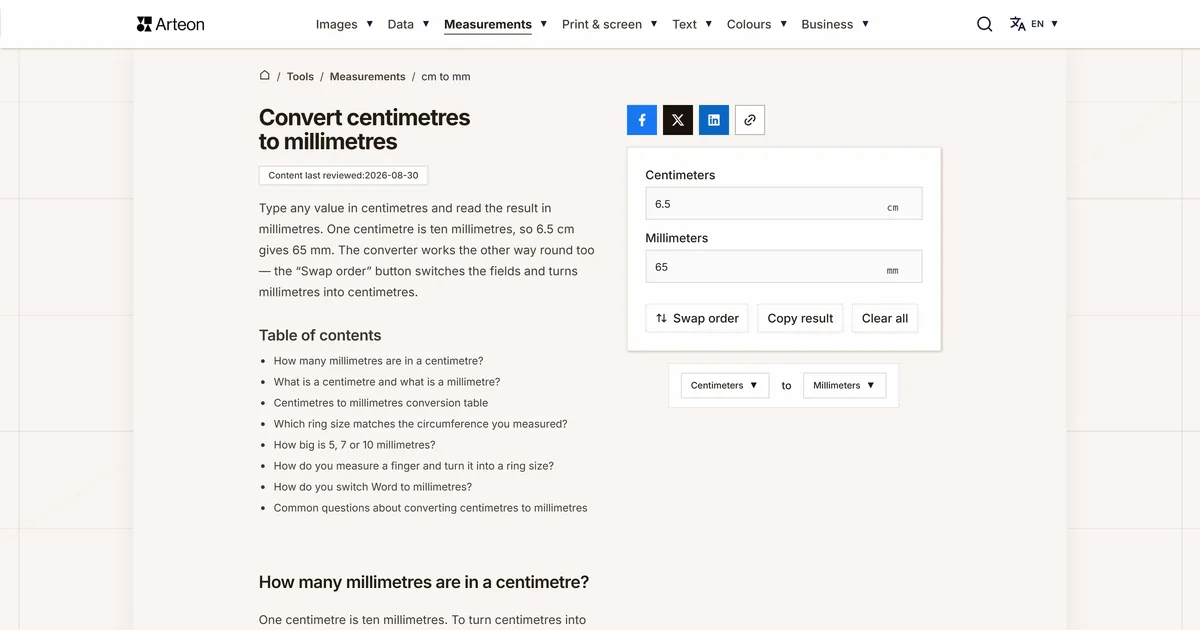
Type any value in centimetres and read the result in millimetres. One centimetre is ten millimetres, so 6.5 cm gives 65 mm. The converter works the other way round too — the “Swap order” button switches the fields and turns millimetres into centimetres.
How many millimetres are in a centimetre?
One centimetre is ten millimetres. To turn centimetres into millimetres, multiply by ten: 6.5 cm × 10 = 65 mm. In decimal notation that is a shift of the point one place to the right, so 12.4 cm gives 124 mm and 0.8 cm gives 8 mm.
Formula: mm = cm × 10
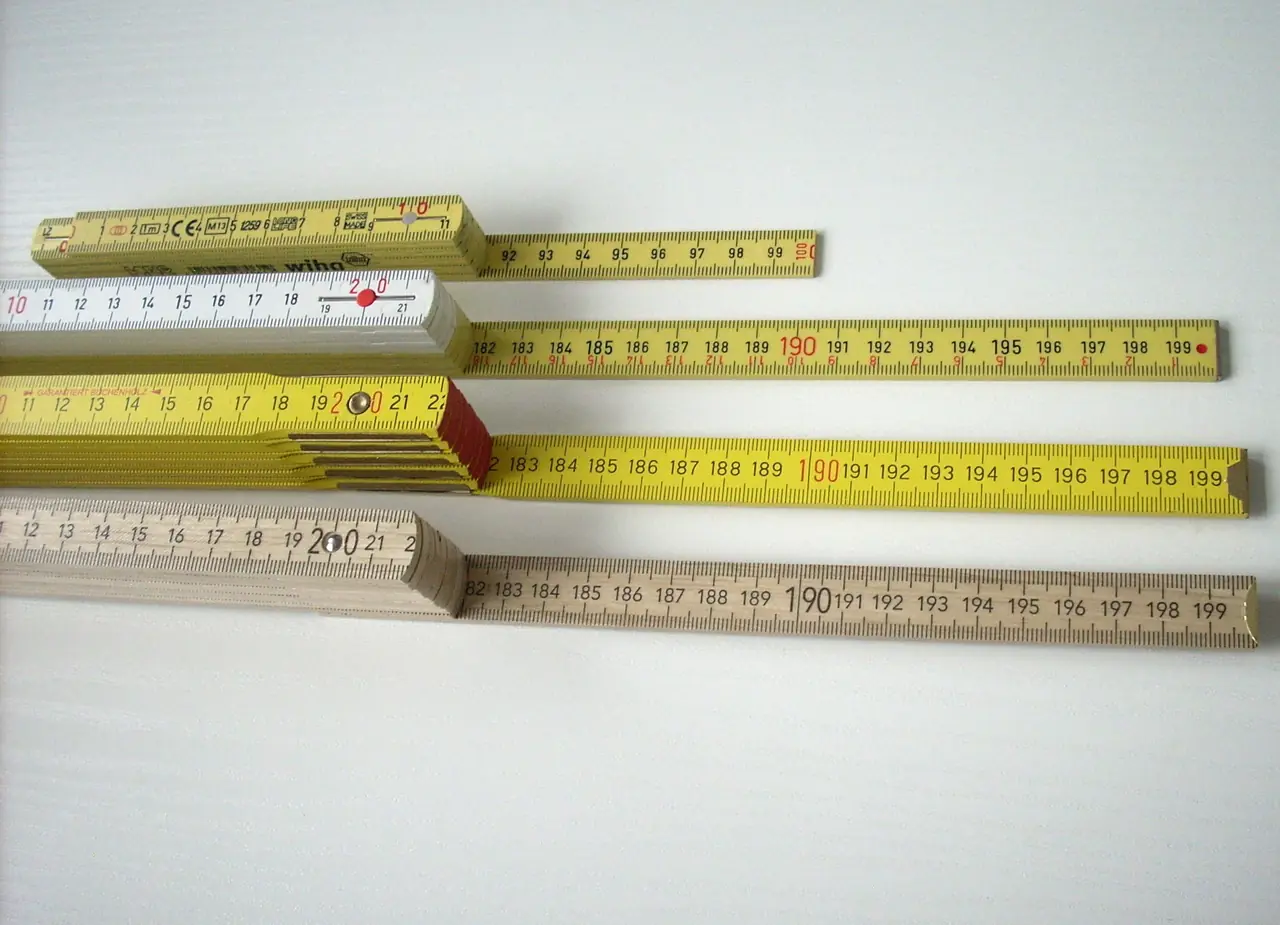
What is a centimetre and what is a millimetre?
Both units measure length and both come from the metre. The metre is the base unit of the SI system, and since 1983 it has been fixed by the speed of light in vacuum, set at exactly 299,792,458 metres per second[1][2]. Shorter and longer units of length are built from the metre by adding a prefix.
The prefix centi- means one hundredth, so a centimetre is a hundredth of a metre. The prefix milli- means one thousandth, so a millimetre is a thousandth of a metre. A metre holds a hundred centimetres and a thousand millimetres, which means ten millimetres go into every centimetre.
Each further prefix moves the decimal point three places, so a micrometre is a millionth of a metre and a nanometre a billionth. A step of those same three places upwards leads to the kilometre, and a thousand metres then make one kilometre.
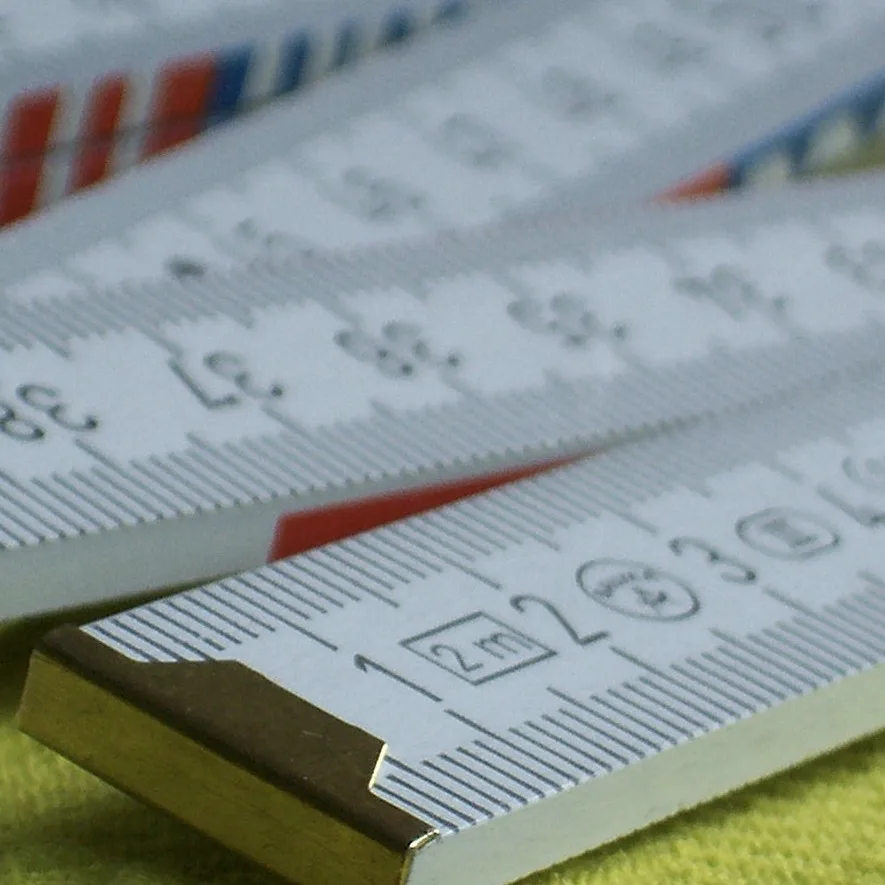
Centimetres to millimetres conversion table
| Centimetres | Millimetres |
|---|---|
| 0.1 cm | 1 mm |
| 0.5 cm | 5 mm |
| 1 cm | 10 mm |
| 1.5 cm | 15 mm |
| 2 cm | 20 mm |
| 2.5 cm | 25 mm |
| 3 cm | 30 mm |
| 3.5 cm | 35 mm |
| 4 cm | 40 mm |
| 4.5 cm | 45 mm |
| 5 cm | 50 mm |
| 5.5 cm | 55 mm |
| 6 cm | 60 mm |
| 6.5 cm | 65 mm |
| 7 cm | 70 mm |
| 8 cm | 80 mm |
| 9 cm | 90 mm |
| 10 cm | 100 mm |
| 15 cm | 150 mm |
| 20 cm | 200 mm |
| 25 cm | 250 mm |
| 30 cm | 300 mm |
| 40 cm | 400 mm |
| 50 cm | 500 mm |
| 60 cm | 600 mm |
| 100 cm | 1000 mm |
Which ring size matches the circumference you measured?
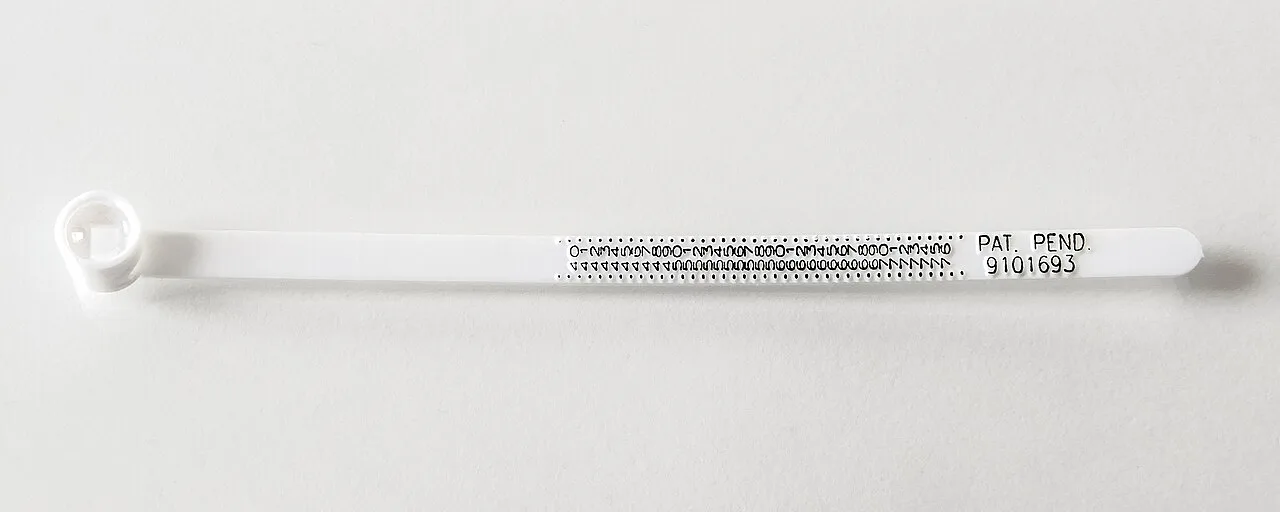
Choosing a ring size is one of the most common reasons people convert centimetres to millimetres. You measure a finger with a strip of paper and read the length in centimetres, while ring sizes are quoted in millimetres. The UK, Ireland and Australia use letters, and the United States, Canada and Mexico use their own numeric scale[3]. In Germany, Austria and Czechia the size is simply the circumference in millimetres, while Italy, Spain and Switzerland subtract forty from it[3].
| Finger circumference | In millimetres | Italy, Spain, Switzerland | Germany, Austria, Czechia | UK, Ireland, Australia | US, Canada, Mexico |
|---|---|---|---|---|---|
| 4.5 cm | 45 mm | 5 | 45 | G | 3¼ |
| 4.8 cm | 48 mm | 8 | 48 | I½ | 4½ |
| 5.0 cm | 50 mm | 10 | 50 | K | 5¼ |
| 5.2 cm | 52 mm | 12 | 52 | L½ | 6 |
| 5.4 cm | 54 mm | 14 | 54 | N | 7 |
| 5.6 cm | 56 mm | 16 | 56 | P | 7½ |
| 5.8 cm | 58 mm | 18 | 58 | Q½ | 8½ |
| 6.0 cm | 60 mm | 20 | 60 | S | 9¼ |
| 6.2 cm | 62 mm | 22 | 62 | T½ | 10 |
| 6.5 cm | 65 mm | 25 | 65 | W | 11¼ |
| 6.8 cm | 68 mm | 28 | 68 | Y½ | 12¼ |
The British scale moves by 1.25 mm of circumference for every letter, and the American one by 2.55 mm for every full size[3].
How big is 5, 7 or 10 millimetres?
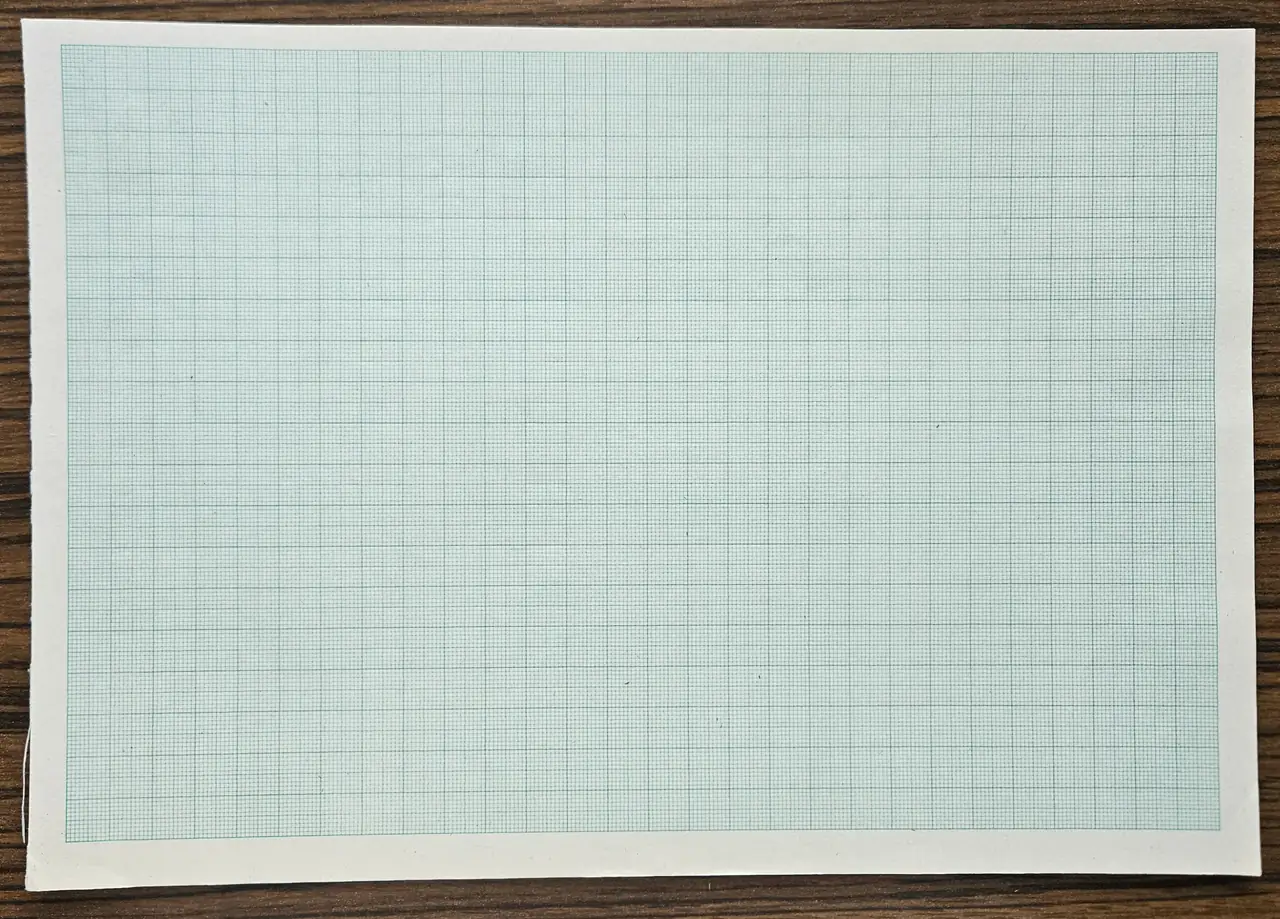
When a result in millimetres tells you little, compare it with something you have to hand.
| Value | Roughly equals |
|---|---|
| 1 mm | a shade thinner than a dime, which is 1.35 mm thick |
| 2 mm | a touch thicker than a quarter, which is 1.75 mm |
| 5 mm | the width of a pencil eraser |
| 7 mm | the diameter of a charging cable |
| 10 mm | the width of a little fingernail |
| 17.9 mm | a dime across |
| 19.1 mm | a penny across |
| 24.3 mm | a quarter across |
Coin diameters and thicknesses are the official figures for circulating US coins[4].
How do you measure a finger and turn it into a ring size?
Work through four steps and you will know your size without a trip to the jeweller.
Cut a strip of paper
Make it about five millimetres wide. A narrow strip lies flat on the finger and does not curl at the edges.Wrap it round the base
Mark the overlap with a pen. Pull it tight enough to turn, but not so tight that it slips over the knuckle. Measure in the afternoon, because fingers are narrowest in the morning and widest in the evening and after exercise.Measure the strip
Flatten it out and read the distance between the mark and the end. Type the result in centimetres into the converter above.Read the size off the table
For the UK take the letter, for the US the number. In Germany, Austria and Czechia the size is the millimetre result itself.
How do you switch Word to millimetres?
Word lets you change the units for a whole document, so margins, tab stops and the ruler all start showing millimetres. On Windows open File, choose Options, go to the Advanced tab and, under Display, set Show measurements in units of to millimetres. On a Mac the same setting sits under Word, then Preferences, then General[5].
The choices are inches, centimetres, millimetres, points and picas[5]. The change covers the whole document, so dimensions you typed earlier in inches are converted and shown in the new unit.
Sources
- SI base unit: metre — BIPM
- History of the metre — BIPM
- Ring size — Wikipedia
- Coins of the United States dollar — Wikipedia
- Change units used for margin measurement in Word — Microsoft Support
Every figure in the tables was computed from the unit definitions and checked arithmetically before publication. Historical values and the names of local units come from the sources listed above.
Content last reviewed: · written and checked by the Arteon team
Common questions about converting centimetres to millimetres
How many millimetres are in half a centimetre?
Half a centimetre is five millimetres. The same rule covers every fraction: 0.3 cm gives 3 mm and 0.25 cm gives 2.5 mm.
Which is bigger, 7 mm or 1 cm?
The centimetre is bigger. One centimetre is ten millimetres, and seven millimetres is 0.7 cm, three millimetres less.
How do you convert cm to mm in your head?
Add a zero to a whole number, or move the decimal point one place to the right. 24 cm becomes 240 mm, and 3.7 cm becomes 37 mm.
Is a 6.5 cm circumference a ring size 65?
A circumference of 6.5 cm is 65 millimetres, and that is the size in Germany, Austria and Czechia. The same finger is a UK size W and a US size 11¼.
What units are print dimensions given in?
Paper formats and print dimensions are given in millimetres — an A4 sheet is 210 × 297 mm, which is 21 × 29.7 cm. Design software lets you switch the document units, so you can type the dimension in whichever one you have to hand.
How many millimetres are in a metre?
A metre is a thousand millimetres and a hundred centimetres. Those two numbers are where the ten to one ratio between a centimetre and a millimetre comes from.
How many millimetres are in 24 cm?
Twenty-four centimetres is 240 millimetres. With whole numbers you only need to add a zero.
Help us improve our tools
Have an idea, found a bug, or want to suggest a feature? Drop us a message – we respond within 24 hours.